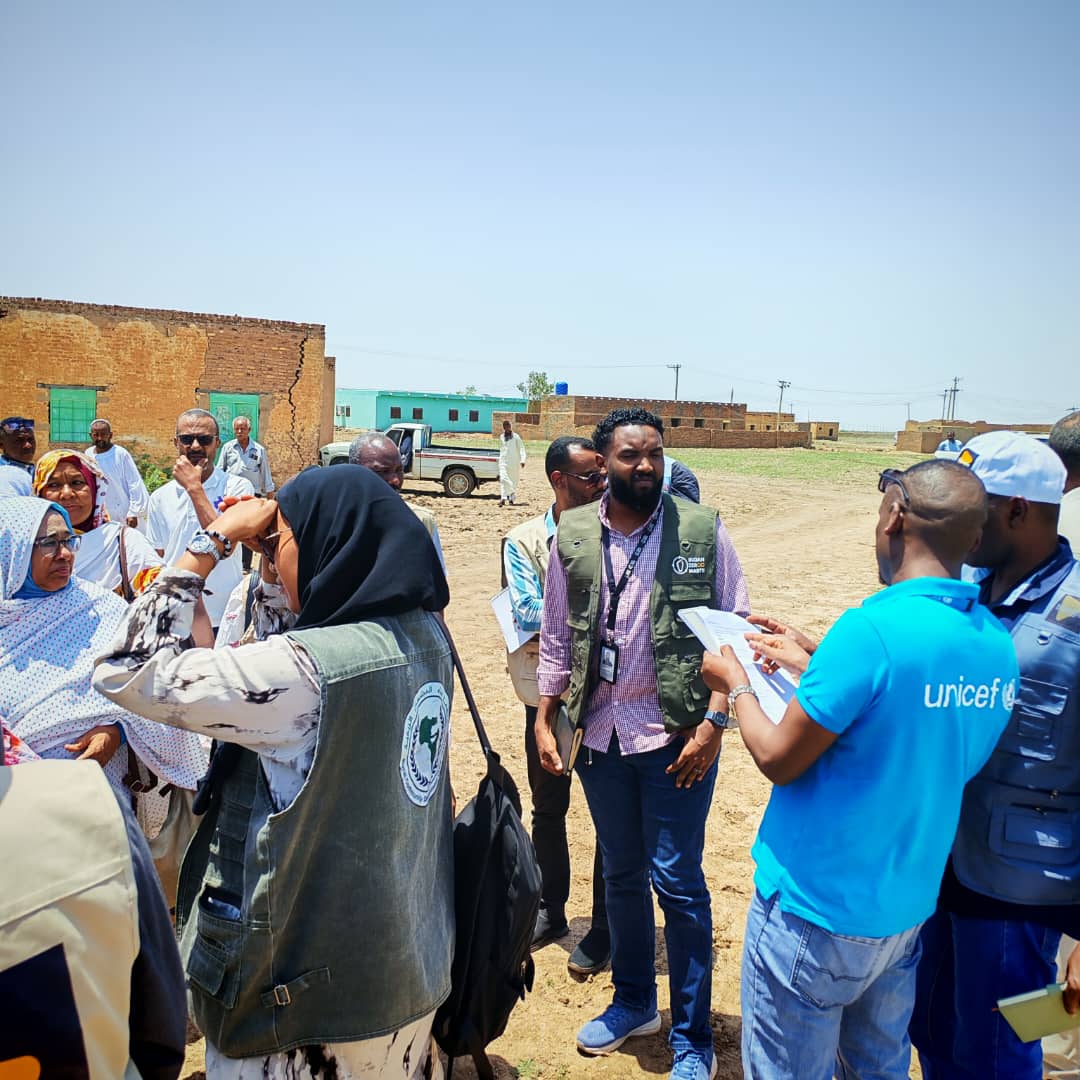
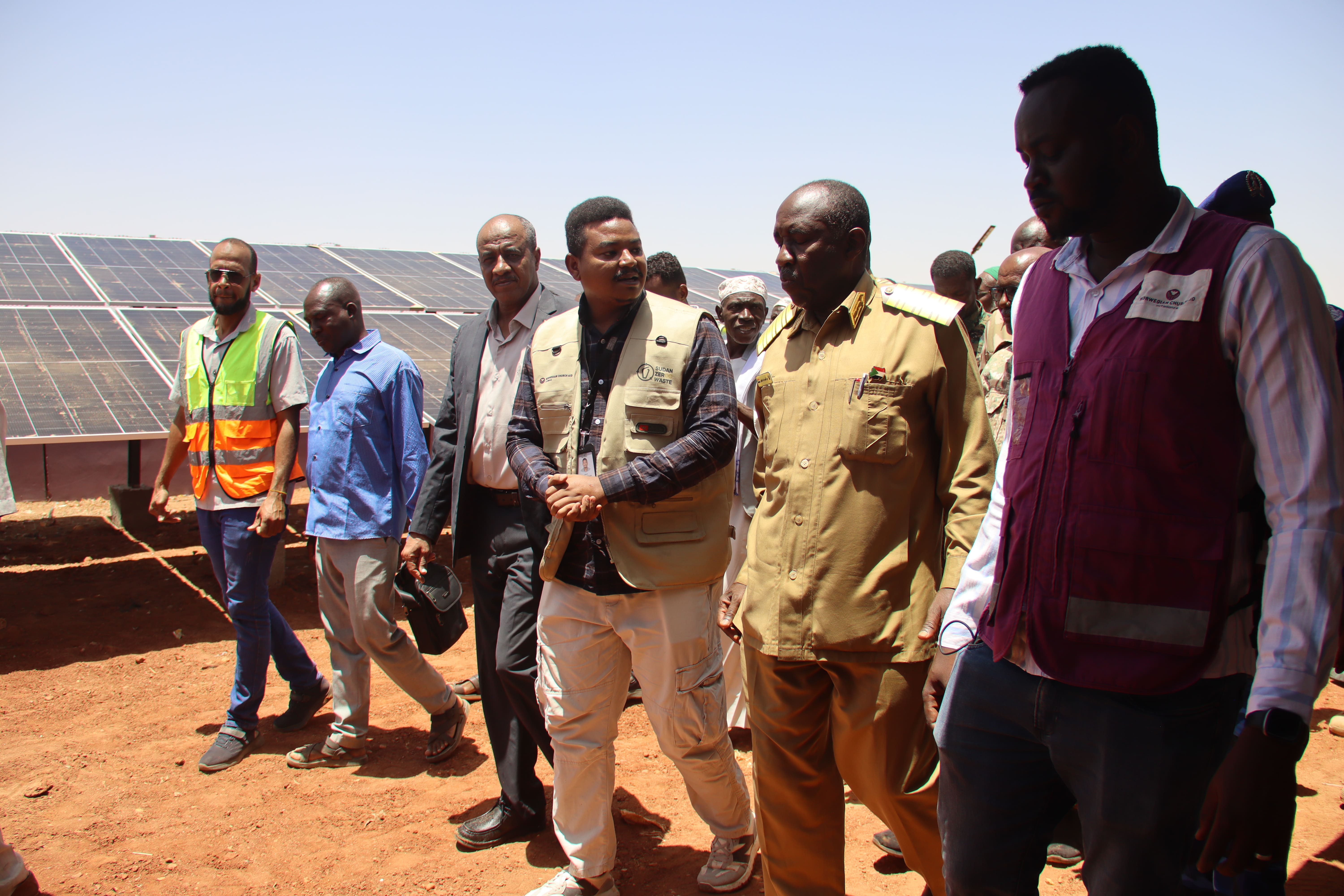
Sudan Zero Waste Organization works with communities, institutions, and partners to improve environmental sanitation, WASH access, wast...Sudan Zero Waste Organization works with communities, institutions, and partners to improve environmental sanitation, WASH access, waste management, and public communication through practical field action.
To spearhead impactful initiatives in waste management, environmental health, and humanitarian response by fostering par...To spearhead impactful initiatives in waste management, environmental health, and humanitarian response by fostering partnerships, promoting community engagement, and delivering high-quality interventions that drive positive change and sustainability.
To accelerate the transition towards a sustainable, waste-free, and resilient Sudan by empowering communities,...To accelerate the transition towards a sustainable, waste-free, and resilient Sudan by empowering communities, protecting the environment, and promoting inclusive growth.
Sudan Zero Waste Organization is a Sudanese non-profit organization that combines immediate lifesaving assistance such as water trucking, cholera...Sudan Zero Waste Organization is a Sudanese non-profit organization that combines immediate lifesaving assistance such as water trucking, cholera prevention, and hygiene promotion with longer-term community resilience, including solid waste management, latrine rehabilitation, and sustainable water system repair.
We value the trust of our partners and continue building strong collaboration that supports environmental health, humani...We value the trust of our partners and continue building strong collaboration that supports environmental health, humanitarian action, and long-term recovery across Sudan.

Child-focused humanitarian support and WASH collaboration.

Community resilience and service support.

Environmental sanitation and systems strengthening.

Support to protection and resilient basic services.
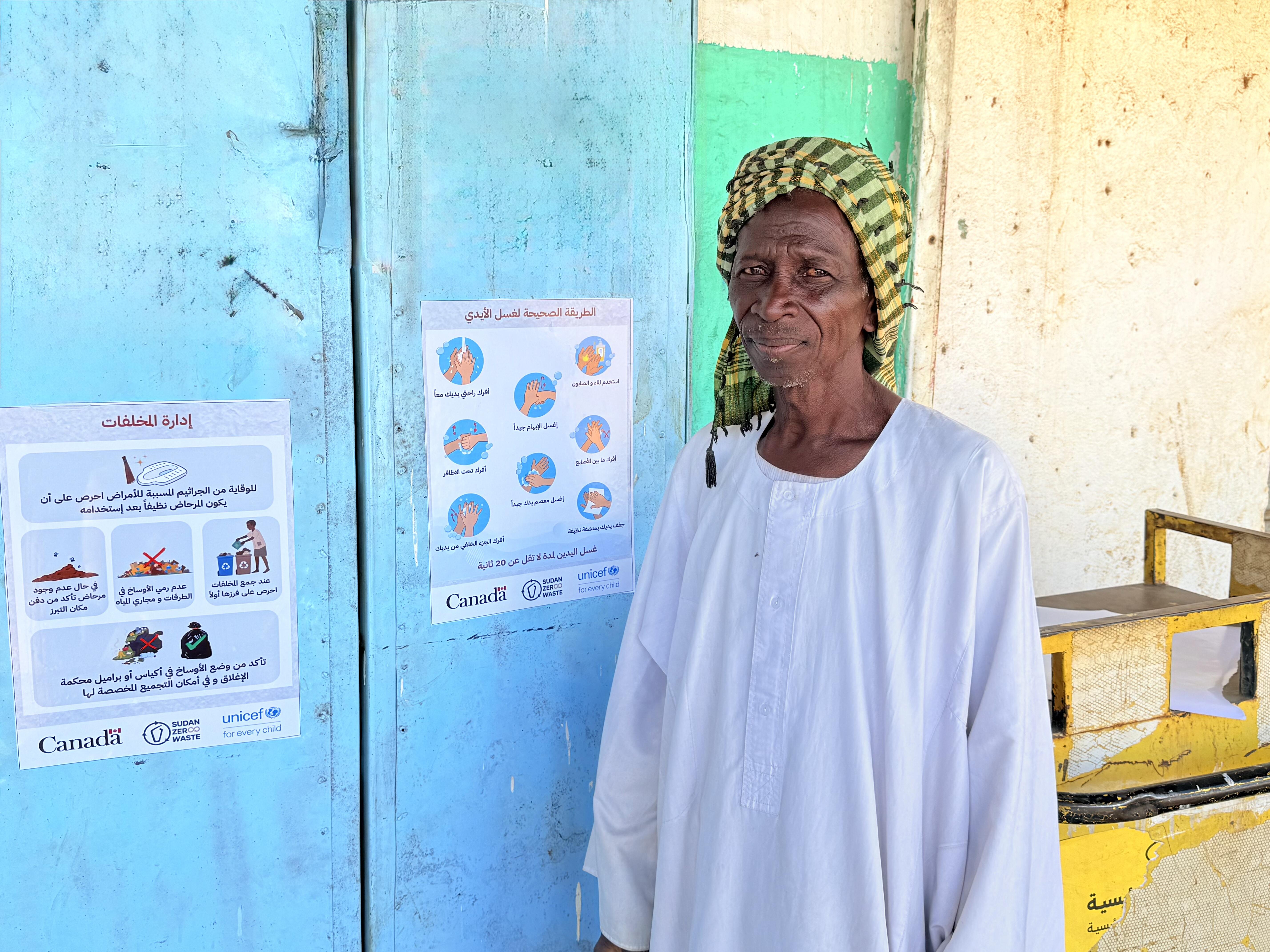
In Um Al-Qura village, Al Jazirah State, some families were facing repeated case...In Um Al-Qura village, Al Jazirah State, some families were facing repeated cases of diarrhea, especially among children, due to limited awareness of personal hygiene, poor waste management, and unsafe water storage practices.
Atif, a father from the community, witnessed these challenges closely. After taking part in awareness activities on personal hygiene, waste management, and water conservation, his understanding changed. He realized that hygiene is not just a daily habit, but a key way to protect families and communities from disease.
Atif began applying what he learned at home, then shared the messages with his neighbors. He encouraged families to wash their hands at critical times, cover drinking water containers, clean their surroundings, and dispose of waste safely.
He often reminded people that disease does not spread by chance; uncovered water, unwashed hands, and accumulated waste can put every household at risk.
Over time, Atif became an active voice for health awareness in his village. His story shows that real change begins when a community member turns knowledge into action and helps others build a cleaner, safer, and healthier environment.
When awareness moves from one person to a whole community, it becomes a powerful tool to protect lives.
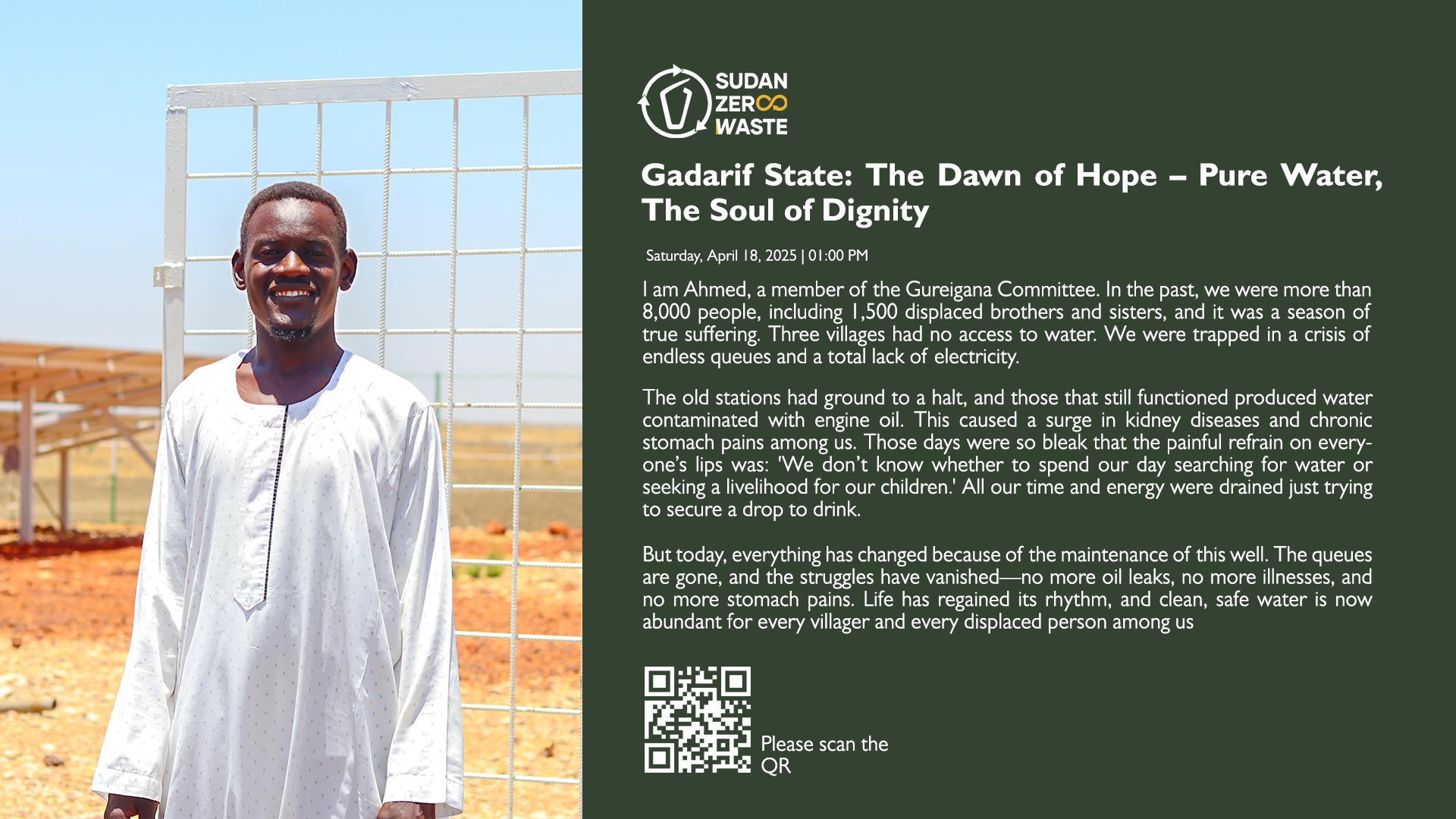
My name is Ahmed, a member of the Ghareegana Committee. In the past, we were mor...My name is Ahmed, a member of the Ghareegana Committee. In the past, we were more than 8,000 people, including 1,500 displaced persons, and we were truly suffering. Three villages had no access to water.
We were facing a real crisis—long queues, no electricity, and the old water stations had stopped working. Even the stations that were still operating produced water that was sometimes mixed with engine oil, which caused health problems such as kidney issues and stomach pain.
Those were very difficult days. One painful sentence people used to repeat was:
“We didn’t know whether to go and fetch water or go out to find food for our children.”
All our time and energy were consumed by the struggle to find water.
But today, the situation has changed because of the rehabilitation of this well. There are no more queues and no more problems. No oil, no diseases, no stomach pain. Life has become more stable, and clean water is now available for everyone in the village, including the displaced families.
Amid the cholera outbreak and the deterioration of water services in Khartoum St...Amid the cholera outbreak and the deterioration of water services in Khartoum State, the need for safe and clean water became more urgent than ever.
This video documents a success story by Sudan Zero Waste Organization in responding to the cholera crisis through the construction and rehabilitation of six water wells, supported by the U.S. Government and implemented in partnership with the Danish Refugee Council (DRC).
This intervention improved access to safe water for affected communities, reduced the risks of waterborne diseases, and supported health and humanitarian response efforts in the most affected areas.
This story shows that providing safe water is not only a basic service, but also a life-saving intervention and a first line of defense against cholera, protecting the health and dignity of communities.
Amid the current challenges, access to clean sanitation facilities remains a maj...Amid the current challenges, access to clean sanitation facilities remains a major issue affecting vital sectors. This project was launched in partnership with UNICEF Sudan and with support from the Canada government , aiming to improve environmental sanitation conditions to ensure the continuity of education and the provision of healthcare in an environment that preserves dignity for all.
This effort aims to provide a healthy environment for more than 900 female students, directly contributing to their academic stability and reducing the risk of waterborne diseases.